Nubia Releasing a Smartphone You Can Wear As a Watch

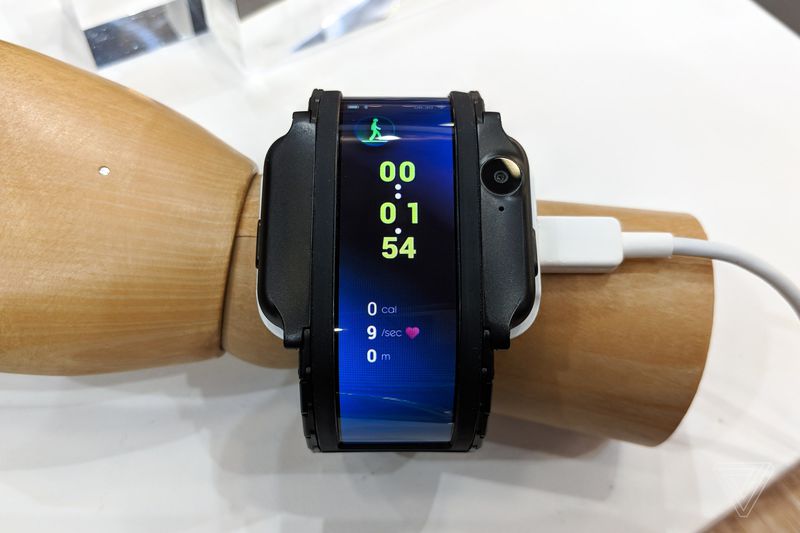
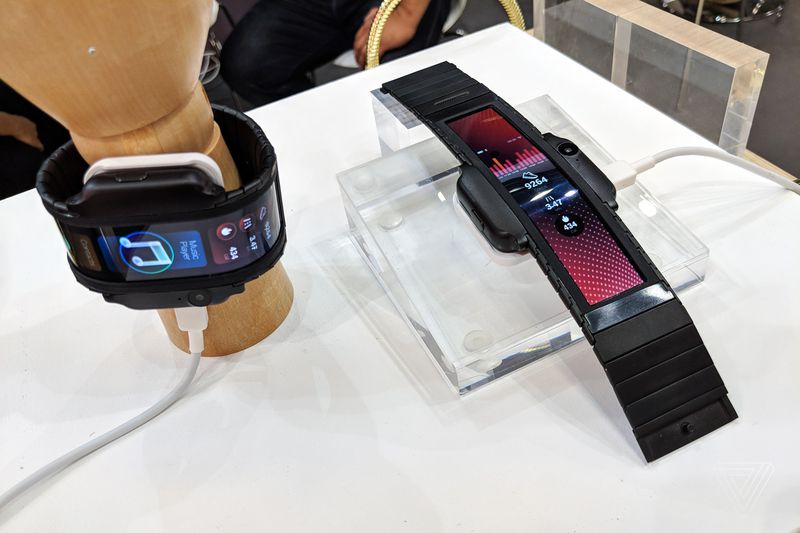
Chinese phone manufacturer Nubia has begun teasing a new phone concept where the smartphone is also a hybrid smartwatch as well.

Renders of the Nubia Alpha. Photo credits: Digit

The hybrid phone was originally demoed at IFA in Berlin 2018 as a prototype but Nubia is now going to fully unveil the Alpha on February 25 at MWC in Barcelona.

So far not much is known about the Alpha in terms of display resolution, battery, or performance specifications. The phone is meant to replace a regular smartphone since it is able to call and even take pictures. It has a flexible OLED screen and sits in a metal watch strap with a plastic case around the phone as per the prototype.

The Verge even says that it will be priced around the same price as a regular smartphone when their writer asked the Nubia representative at IFA.
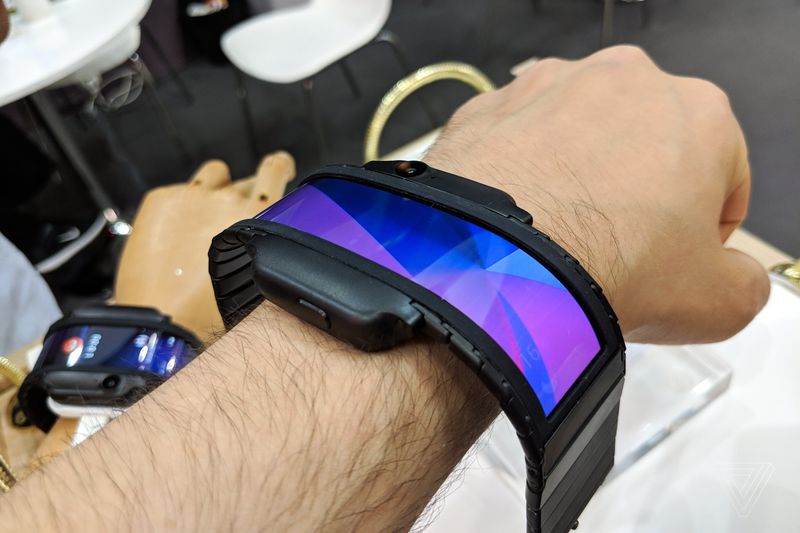
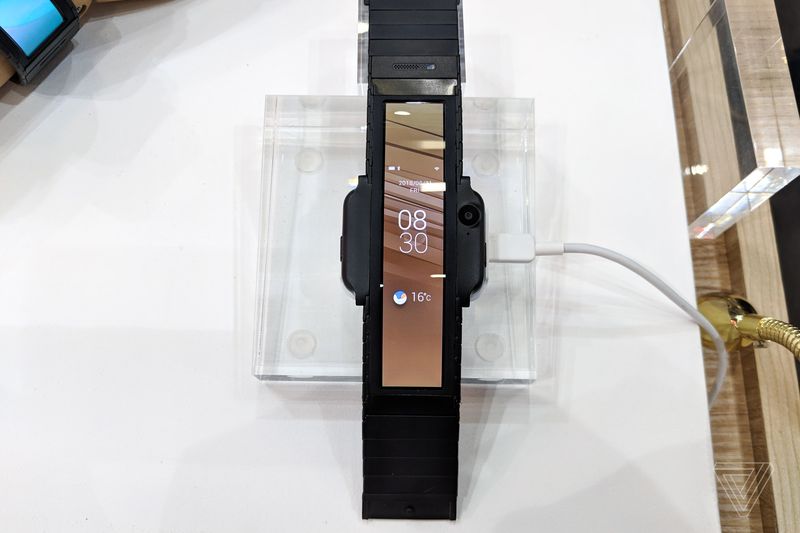
The unique design from the Nubia smartphone leaves me astonished. This risky design from Nubia will potentially inspire other electronic manufacturers to build a product based off of this layout, which will in turn bring even more interesting and unique products down the road.

I am not too confident that this watch-phone will break into the market like other smartphones. It has a very long screen, which means that mobile-app developers will have to plan to accommodate for the unique screen aspect ratio. By knowing software developers, many of them will not put in the time and money to work on adopting support for the elongated screen unless there is an overwhelming demand for it. Aside from that, I am confident that this device will revolutionize the future of how we will imagine our electronic products.
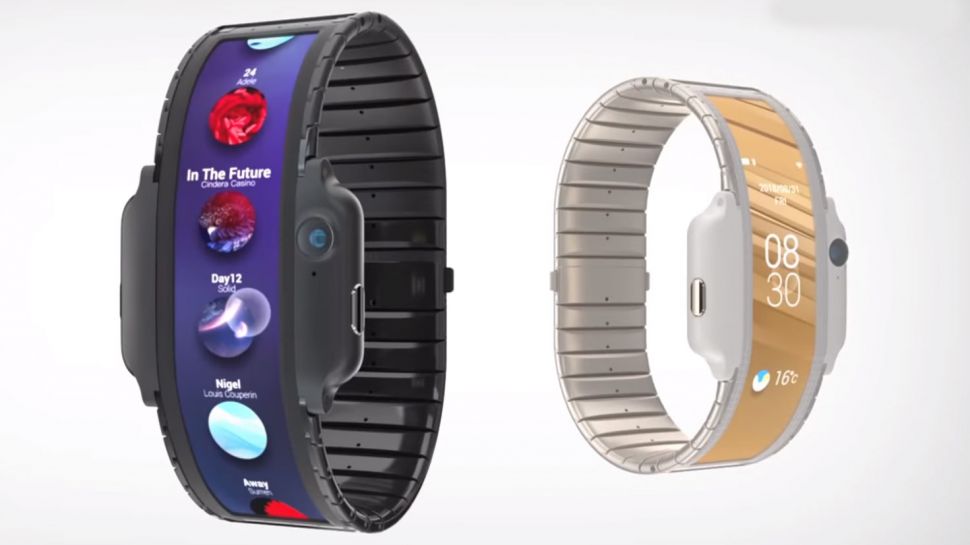
Nubia Alpha. Photo credits: Nubia

Facebook Messenger Unites with WhatsApp and Instagram

Just this Friday, Facebook founder and CEO Mark Zukerberg has announced that he is making plans to allow users from all of these social-networking services to message each other across the different platforms.

Logos of WhatsApp, Facebook Messenger, and Instagram. Photo Credits: BBC.

The plan has been initiated and is currently in its early stages but the target for when all the services are to be linked up is by early 2020. Now this means that these independently-run companies, which are also owned by Facebook, are now being pushed to become a part of the Facebook ecosystem.

The Good News

This plan can leave some good news for all of these users. Now those who refuse to make an account on the other services (possibly they don’t like the features of the other apps) can message those on the other services, without having to make another account. This can also mean that those who have opened an account for the sole reason to message those who don’t have an account on their preferred service can close or deactivate that account now. Who doesn’t like not having to remember another password?

Photo Credits: Hacker Noon

The Bad News

Facebook has had many incidents in recent years where they have been exposed for selling and tracking private user information. And now Facebook is dipping its fingers into the companies who they had let run fine independently. This can probably lead to (hopefully not) another privacy scandal where Instagram and WhatsApp have their user information sold since Facebook is going to start managing the user to user messaging across all platforms.

Photo Credits: Make Use Of

While Facebook’s integrity is not fully gained back, I feel like this may be a good move for all users. If Facebook learns from its previous mistakes and learns to keep its user’s privacy secured, it will succeed with this transition and its trustworthiness can be reestablished. Even then, lots of apps have had aspirations of being able to interact with each other and since Facebook is making plans for this, it may lead to others following suit.

Another Foldable Smartphone?

A small mobile tech company, Royole, has announced late last year their upcoming flagship, the Royole FlexPai, which demos a fascinating feature where it can be folded in half.

FlexPai showing off its unique feature. Photo Credits: Royole

Phone Features:

This particular flagship developer phone has phenomenal specifications and carries just enough power under the hood after taking a look at the official product specifications online:

  • Qualcomm Snapdragon 855, an OctaCore processor rated at a 2.84GHz clock speed
  • A 7.8 inch Flexible AMOLED screen paired with a beautiful 1920 x 1440 QHD resolution display.
  • 6GB RAM base, 8GB RAM max
  • 128GB storage base, 256GB storage max (SD cards are accepted for up to 256GB of additional storage)
  • 2 digital cameras: 16MP + 20MP
  • A 3970 mAh battery

To describe these mobile phone specs that the FlexPai offers, is to say that they are very competitive with other well-known smartphone manufacturers. But it all comes at a cost for this one-of-a kind feature:

It starts at $1300 or $1500 for the top model

The specifications do look tempting but the price tag will hold many potential buyers back. Now, I wouldn’t ever justify spending that amount of money for a phone that is still under testing, unless you are a developer and really want to experiment with it. And since it is a developer product, The Verge has reported during the phone’s demonstration that


The software seemed extremely sluggish, apps continuously opened accidentally, and the orientation kept changing randomly when one of the Royole representatives was demonstrating the folding process.

Nick Statt, The Verge

After hearing this I would suggest to all of you who would consider a phone like this to wait on it. New technologies and trends like this will take time to polish. So it would be indefinitely safer to wait and buy a stable phone as opposed to one like this. This phone will simply only get frustrating to have the phone do what it should, and trust me, I’ve unfortunately had my fair share of dealing with phones like that, and it is not a road I recommend taking.

Photo Credits: Royole